
PHYSICAL PREPARATION
A good programme does not begin with a list of exercises. It begins with questions: what does your sport demand, what capabilities do you already have, what limits your performance, and how much time can we devote to change?
The answers help us set priorities, select appropriate loads, and define a long-term direction for the process.
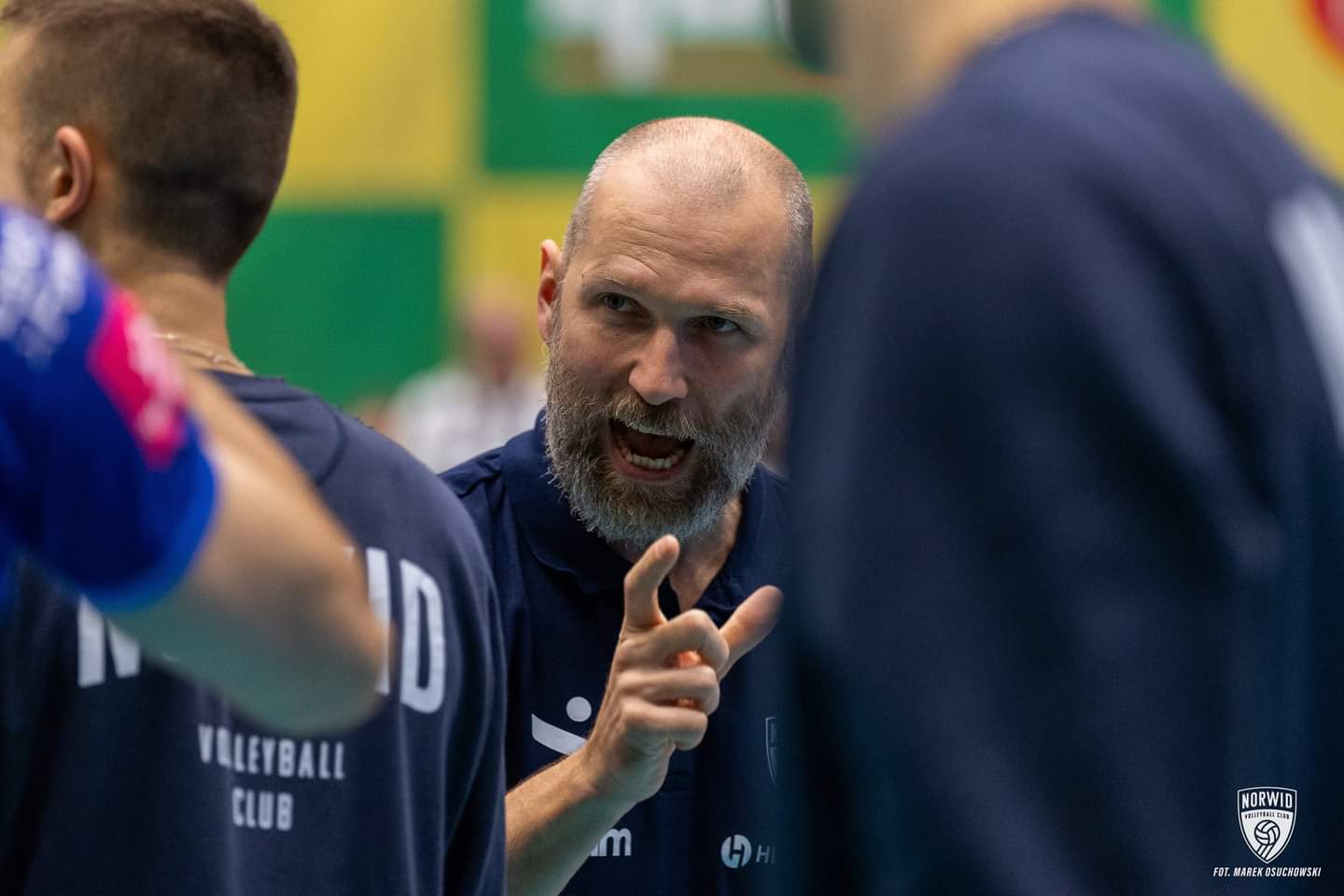
01 / HOW I WORK
A process built around decisions.
The plan provides direction, but remains open to new information. Each stage should lead to the next useful decision.
01
Understand the context
We begin with the goal, training history, calendar and working conditions. We define the problem the training process is meant to solve.
02
Assess the starting point
I combine conversation, observation and selected measurements. A test should answer a question, not create another spreadsheet.
03
Set the priorities
We choose work that can be performed consistently alongside practice, competition and life outside sport.
04
Train and adjust
We observe the response to load and changes in performance. The plan is updated on that basis.
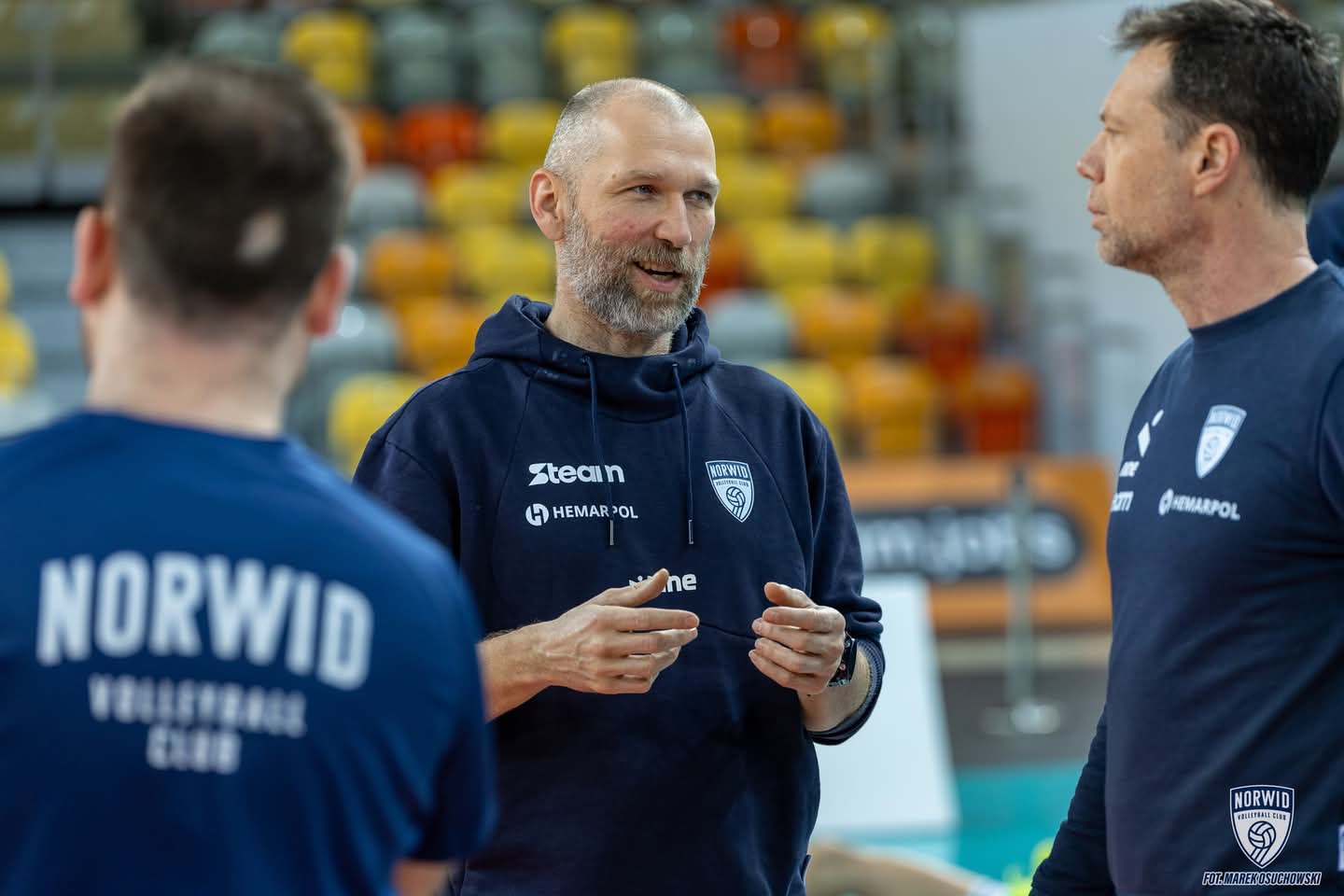
02 / INDIVIDUAL COLLABORATION
The athlete’s needs come first. There are no universal programmes.
We develop strength, power, speed, sport-specific agility and tolerance to load. The scope of work follows from your sport, the stage of the season and what you need now.
More training is not always the answer. Sometimes the biggest change comes from setting better priorities or organising load more effectively. Your feedback helps us understand the response to training and refine the plan. I want you to understand the purpose of the work and gradually take greater responsibility for your development.
The gym builds physical resources. Well-designed sport-specific practice teaches you how to use them under the pressure of real constraints.
03 / CLUBS AND PERFORMANCE STAFF
Physical preparation is part of a larger system.
A good plan must work with technical and tactical practice, the competition schedule, athlete availability and the decisions of the wider staff. Together, we build solutions that can be applied consistently.
01 / PLANNING
Physical preparation
Priorities and loads aligned with athlete development and the competition calendar.
02 / DATA
Testing and monitoring
Measurements selected to answer relevant questions; results that support decisions.
03 / LOAD
Managing demands
Integrating information about completed work, competition and athlete responses.
04 / COMPETITION
Match preparation
Maintaining the qualities that matter while limiting unnecessary fatigue.
05 / TRAINING
Designing practice tasks
Selecting information, constraints and the degree of similarity to sport situations.
06 / STAFF
Shared analysis
Clear assumptions, communication and decisions that can be implemented in real conditions.
The most sophisticated system has no value if the staff cannot use it. We account for time, equipment, people and communication.
DISCUSS YOUR TEAM’S NEEDS04 / BEFORE THE FIRST CONVERSATION
Start with the specifics.
You do not need a finished plan or a complete set of tests. Describe the sport, the level, the current situation and the problem you want to solve.
Do you work only in volleyball?
No. Volleyball is an important part of my experience, but I also work with athletes from other sports. I analyse each sport in its own context.
Do I need test results?
No. A description of your situation is enough for the first conversation. We select measurements when they can answer a question that matters to the next decision.
How do we define the scope and fee?
First, I learn about the goal, the conditions and the expected scope of support. I then present a proposed form of collaboration and a fee.
Where can we work together?
Tell me where you train and what support you need. We will agree on availability, location and the form of collaboration before we begin.
05 / NEXT STEP
Describe your goal and context.
Share your sport, competitive level, current situation and main goal. If you represent a club, include information about the team and the expected scope of support.